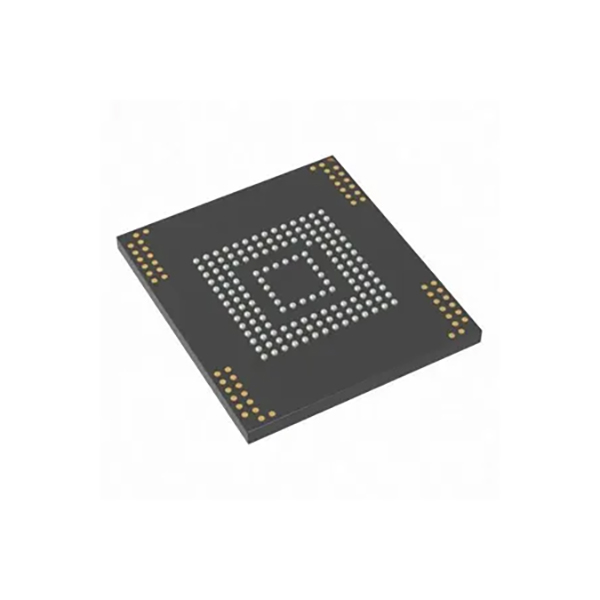
RF IC (Radio Frequency Integrated Circuit) refers to an integrated circuit that operates in the radio frequency band (usually 300kHz~300GHz) and is specifically used for processing, transmitting, and receiving radio wave signals. It is the core of all wireless communication devices.
Features:
1. Extremely high working frequency
The operating frequency range covers megahertz (MHz) to gigahertz (GHz), far exceeding that of ordinary analog chips, with extremely strict requirements for signal integrity and parasitic parameter control.
2. Low Noise Factor (NF)
The receiving link (such as LNA) must have extremely low noise in order to amplify weak signals from a distance without being overwhelmed by noise, ensuring communication distance and quality.
3. High integration
Integrating complex RF, analog, and digital circuits into a single chip significantly reduces volume, power consumption, and reliability, making it suitable for portable devices such as smartphones and watches.
4. High Power Efficiency (PA)
The power amplifier at the transmitting end needs to maintain high efficiency while outputting sufficient power, which directly determines the battery life.
5. Broadband and multi-mode support
Modern RF chips (such as 5G/Wi Fi 6) support multiple frequency bands and communication standards, with strong compatibility.
6. Difficulty in design
At high frequencies, complex issues such as impedance matching, electromagnetic interference (EMI), and signal crosstalk need to be considered, and the design and manufacturing threshold is much higher than that of digital chips.
Applications:
1. Mobile communication
The 5G/4G RF front-end and transceiver in smartphones and base stations are responsible for cellular network connectivity.
2. Wireless Local Area Network and Personal Area Network
Wi Fi router, Bluetooth module, ZigBee chip, used for computers, headphones, and smart homes.
3. Satellite positioning and communication
GPS/Beidou navigation chip, satellite telephone, satellite Internet terminal.
4. Radio Frequency Identification (RFID)
Access cards, bus cards, logistics electronic tags, NFC near-field communication.
5. Automotive Electronics
Vehicle mounted radar (millimeter wave radar), keyless entry, V2X vehicle networking, tire pressure monitoring.
6. Internet of Things (IoT)
Various wireless sensors, smart wearable devices, remote meter reading, industrial monitoring.
7. Aerospace and Military Industry
Radar systems, satellite payloads, missile guidance, and secure communication equipment.