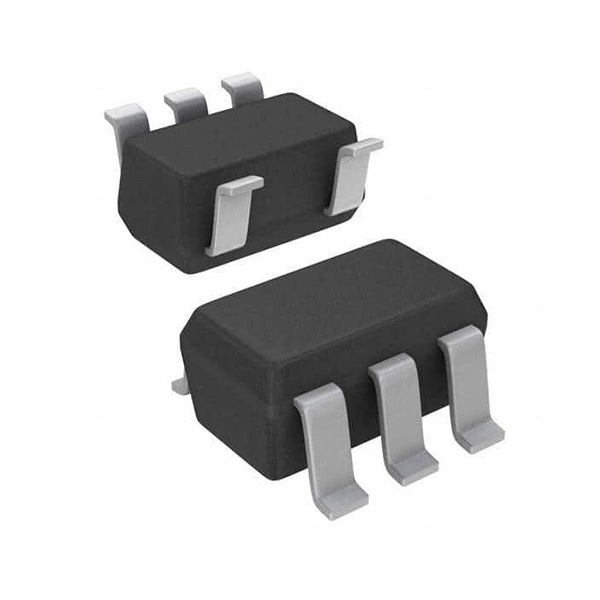
Voltage reference is a semiconductor device or circuit that can output highly stable and accurate voltages, unaffected by significant changes in power supply voltage, temperature, load, and time. It is the "voltage scale" in precision electronic systems, providing accurate references for ADCs, DACs, instruments, etc.
Features:
1. High precision: The initial error can reach ± 0.01%~± 1%, while ordinary voltage regulators usually have an error of>± 2%.
2. Low temperature coefficient (temperature drift): High quality devices<10ppm/℃, top tier devices such as LTZ1000 can reach 0.05ppm/℃.
3. Low long-term drift: The annual drift is as low as 1-20ppm, ensuring long-term stability.
4. Low noise: Precision noise<1 μ V peak to peak.
5. High Power Supply Rejection Ratio (PSRR): Strong resistance to power supply fluctuations.
Applications:
1. Data Converter
Providing a reference voltage for ADC/DAC directly determines the conversion accuracy (approximately 80% of the error in a 12 bit ADC comes from the reference).
2. Precision measuring instruments
Core voltage reference for digital multimeters, oscilloscopes, and standard sources.
3. Power management
Feedback benchmark for switch mode power supply and LDO; Voltage threshold for lithium battery protection and fast charging protocol.
4. Sensor system
Excitation sources and calibration benchmarks for pressure, temperature, and gas sensors.
5. Industrial and Automotive Electronics
PLC、 Reference for signal conditioning of industrial control instruments, engine ECU, and tire pressure monitoring.
6. Standard measurement
Calibration equipment, measurement standard sources, high-precision testing systems.