Features:
1. Ultra low power consumption (core)
Static current: typical value 210nA~700nA (such as MAX9119 at 350nA, SGM8714 at 300nA, TS881 at 250nA)
Power supply voltage: 1.4V~5.5V ultra wide low voltage range, suitable for single/double battery (1.5V/3V) systems
Power independence: The current consumption does not vary significantly with the power supply voltage, and the input is in a high impedance state when power is lost
2. Input/output characteristics
Rail to rail input (RRIO): Common mode voltage covers the entire power supply range (GND~VCC), suitable for low-voltage signals
Wide input range: Some models can exceed the power rail ± 200mV and are compatible with negative voltage input
Output structure: push-pull output (no need to pull up, direct drive) or open drain output (supporting line and level conversion)
Built in hysteresis: typical 3mV~6mV, anti-interference, avoiding output jitter
Low offset voltage: ± 2mV~± 3mV, ensuring comparison accuracy
3. Speed and packaging
Transmission latency: 5 μ s~9 μ s, balancing response speed with nanoampere level power consumption
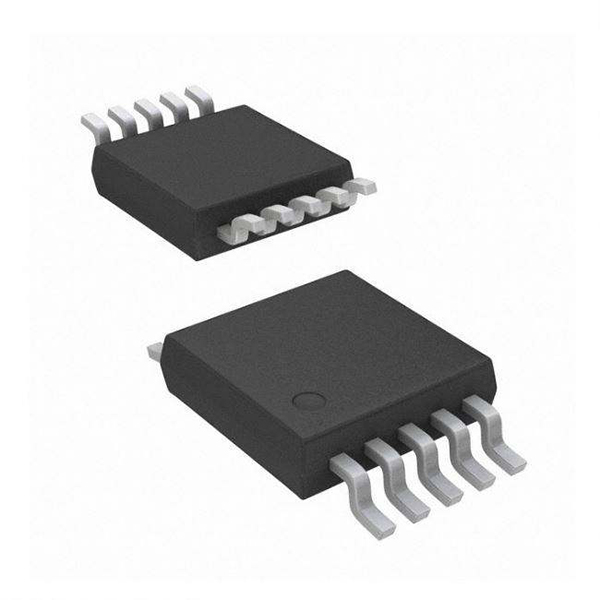
Ultra small package: WLP (0.7mm × 0.7mm), XTDFN (0.8mm × 0.8mm), SC70, SOT23, suitable for portable devices
Temperature range: Industrial grade -40 ℃~+125 ℃, suitable for harsh environments
Applications:
1. Portable/battery powered equipment
Battery management: Single cell voltage overcharge/overdischarge detection, low battery alarm, battery meter
Low power consumption and long battery life; Low imbalance/low noise amplification of weak bioelectric signals.Wearable devices: voltage/current monitoring for smartwatches, TWS earphones, and wristbands
Handheld medical equipment: blood glucose meter, electrocardiogram monitor, portable sensor
2. Internet of Things and Low Power Sensing
IoT nodes: environmental sensors (temperature, humidity, gas) threshold detection, wake-up triggering
Infrared receiver: low-power infrared signal demodulation (button battery can work for several years)
Intelligent meters (water meters, gas meters, electronic scales)
Energy harvesting system: Voltage gating and power switching for solar/vibration energy harvesting
3. Industrial and Automotive Electronics
System monitoring: Low power fault detection and overcurrent/overvoltage protection for industrial equipment
In car electronics: car dashboard, wireless charging, battery status monitoring (vehicle grade)
Remote measurement and control: long-term on duty monitoring of field sensors and wireless transmitters
4. Consumer electronics
Mobile/tablet: charging control, power path management, button detection
Electronic toys/remote controls: low voltage detection, signal comparison, power-saving mode control